Strategic Project Alignment: Why It’s the Heart of Project Portfolio Management Software

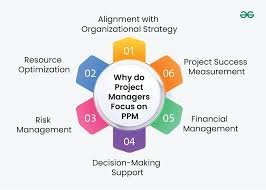
In an age when organizations must juggle multiple initiatives, objectives, and resources, the role of strategic project alignment has become critically important. Today’s high-performing enterprises are not just delivering projects — they are ensuring that every project actively drives organizational strategy forward. At the core of this alignment lies project portfolio management software (PPM), a tool that helps businesses bridge the gap between long-term strategy and day-to-day execution with clarity, speed, and precision.
What Is Strategic Project Alignment?
Strategic project alignment essentially means that the projects an organization undertakes are closely linked to its broader strategic goals. Instead of managing projects in isolation, organizations prioritize and execute initiatives that yield the highest strategic value, while deprioritizing or eliminating work that doesn’t contribute meaningfully to long-term success. Think of it as steering a ship: the rudder (strategy) determines the direction, while the sails (projects) work together to move the vessel forward efficiently. When projects are aligned, they reinforce each other, support key objectives, and create meaningful outcomes that propel the business ahead.
Strategic alignment isn’t a one-time activity — it’s a continuous process. Projects evolve, markets shift, and strategies pivot. PPM software offers the tools to monitor these dynamics in real time and adjust plans accordingly to remain aligned with corporate priorities.
The Role of Project Portfolio Management Software
At its core, project portfolio management software is designed to help organizations make smarter decisions about which projects to undertake, how to manage resources, and how to monitor performance across the entire portfolio. While traditional project management software might focus on individual timelines or task lists, PPM platforms operate at a higher level — integrating resource planning, risk analysis, financial forecasting, and strategic visibility across all initiatives.
The most effective PPM solutions help organizations:
- Prioritize projects based on strategic value, not just urgency or stakeholder demand.
- Visualize the portfolio with dashboards that show how each project contributes to company goals.
- Allocate resources intelligently so talent isn’t stretched too thin and key capabilities are aligned to priority work.
- Track performance and risks at every level, from individual tasks to enterprise-wide initiatives.
Why Strategic Alignment Matters
Aligning projects with strategy offers several profound benefits:
1. It Improves Decision-Making
When prioritization is grounded in strategic value, decision makers can confidently choose which projects to fund and which to shelve. Rather than reacting to pressures from various departments, leaders make data-driven decisions that support long-term goals.
2. It Maximizes Resource Efficiency
PPM software allows organizations to see where resources are committed across all ongoing projects. This transparency enables better allocation, preventing bottlenecks in high-priority areas and reducing idle capacity in others.
3. It Enhances Organizational Agility
Markets change fast. When projects are not aligned with strategy, organizations waste time and budget on work that no longer matters. Strategic alignment, supported by robust software, allows teams to pivot quickly and reallocate effort where it counts most.
4. It Drives Better Business Outcomes
Ultimately, strategic alignment ensures that portfolios are purposeful. Research has shown that portfolios closely aligned with business strategy perform better in terms of value delivery and competitive advantage. When projects contribute to strategic objectives, organizations achieve measurable success that resonates across operations.
Core Features That Enable Alignment
Modern PPM software usually includes features that embed strategic alignment into everyday workflows:
Strategic Prioritization Tools
These tools help rank and score projects according to criteria such as expected ROI, risk, alignment with business goals, and resource requirements. This systematic approach prevents subjective decision-making.
Portfolio Dashboards
Real-time visual dashboards provide executives and PMOs with at-a-glance views into project health, risk levels, timelines, and strategic impact.
Scenario Modeling and What-If Analysis
One powerful benefit of PPM tools is the ability to simulate changes — like resource shifts or priority changes — and see how these affect strategic outcomes before decisions are made.
Integrated Resource and Financial Planning
By unifying data about personnel, budgets, and timelines, PPM software ensures that strategy, people, and funding are aligned rather than operating in separate silos.
Implementing Strategic Alignment in Your Organization
Strategic alignment doesn’t happen overnight. Here are key steps organizations typically follow:
1. Define Strategic Objectives Clearly
Before alignment can occur, the company must articulate its strategic goals. These should be specific, measurable, and shared across teams.
2. Use PPM Software as a Strategic Control Center
Leverage software to assess how well each project fits strategic criteria. This process often involves workshops and cross-department collaboration to ensure everyone understands the value framework being used.
3. Monitor and Adjust Continuously
As strategies evolve, so too must the project portfolio. Continuous monitoring, combined with periodic portfolio reviews, helps ensure that execution stays on track over time.
Conclusion
Strategic project alignment is not just a buzzword — it’s a discipline that separates high-performing organizations from those that struggle with scattered priorities and inefficiencies. When supported by robust project portfolio management software, strategic alignment becomes a repeatable, transparent process that drives value at scale. With the right tools and practices in place, businesses can unlock greater clarity, better outcomes, and stronger long-term success.